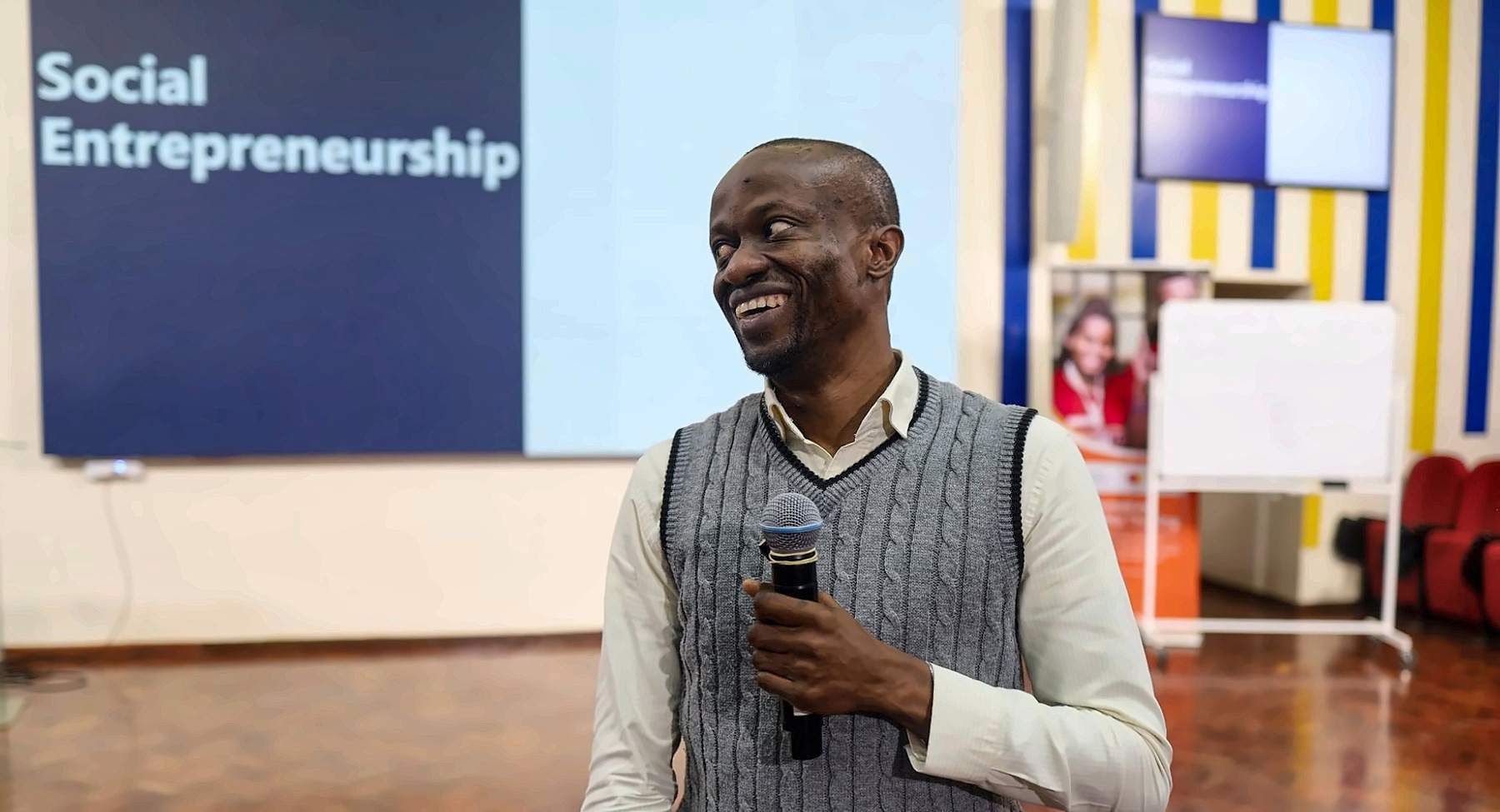
Africa has no shortage of young people with ideas. What many lack is the structured support that turns an idea into a viable enterprise: practical skills, honest feedback, a small amount of capital and someone to ask when things get difficult.
Training alone is not enough
A workshop on writing a business plan is a useful start. But young entrepreneurs often stall at the next steps: testing demand, managing money, finding a first customer and staying motivated through setbacks. Programmes that combine entrepreneurship education with mentorship, technical guidance and access to resources give ideas a far better chance of becoming livelihoods.
What this looks like in practice
In Kenya, in partnership with USIU-Africa, VSMC supported 76 youth-led community development projects through grant support, technical guidance and mentorship. The initiatives addressed challenges across agriculture, education, health, energy, digital literacy, gender equality and civic engagement, and reached more than 12,000 beneficiaries across 18 communities.
In Ondo State, Nigeria, VSMC partnered with Jobberman Nigeria on the Mastercard Foundation Young Africa Works programme. Young people gained employability training and soft skills that strengthened their career readiness, with more than 8,000 young people reached.
What strong programmes have in common
- Practice before perfection. Participants test ideas early rather than polishing plans.
- Mentors who stay. Relationships that continue beyond the classroom.
- A social purpose. Many young people want to solve a problem, not only earn an income, and enterprises built around local problems tend to be more relevant.
- A route to resources. Grants, networks and mobilisation support that make the first steps possible.
The takeaway
Sustainable youth enterprise is built over months, not days. The goal is not a certificate of completion but a business or initiative that is still running next year.
Planning an entrepreneurship or enterprise programme? Let’s talk →